How Fuengirola’s Formula 1 dream stalled before reaching the starting grid.
The 1980s saw Fuengirola’s brief flirtation with Formula 1 glory. But it turned out to be a vision driven entirely by the glamour of the sport rather than practical realities.
The perfect political climate
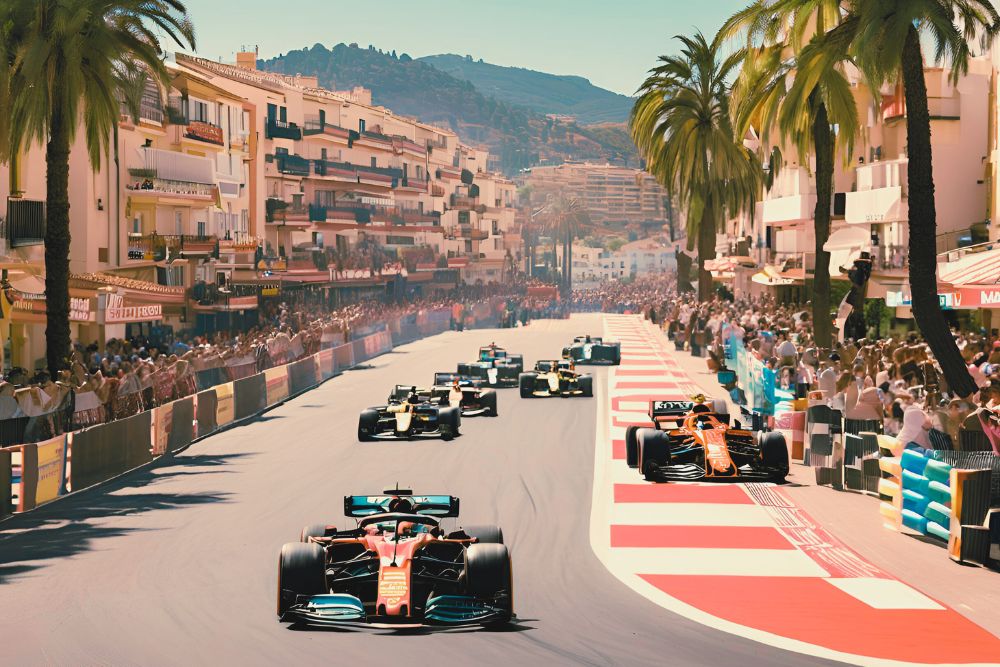
The plan to bring Formula 1 to Fuengirola was typical of the ambitions of the 1980s. Earlier, during Franco’s time, Spain had never sought to host a Grand Prix. But after the Transition, political figures and entrepreneurs were keen to revitalise local economies and, in the process, capture the spotlight. Big, glitzy sports events like Formula 1 were the perfect tool for achieving both.
Who came up with the idea?
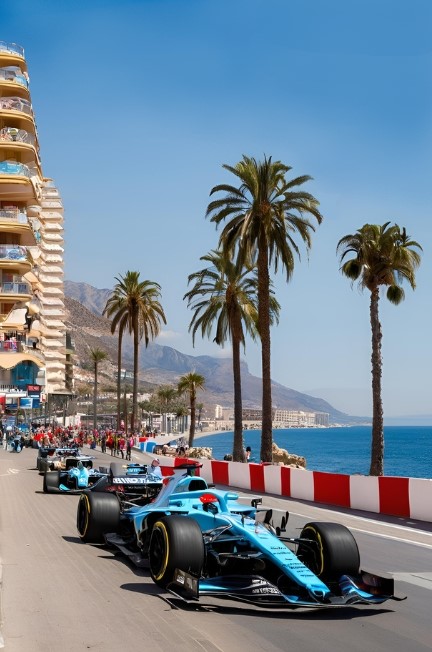
According to the newspaper Malaga Hoy, two British expats, Richard Ratcliff and Mike Dee, proposed the Fuengirola Grand Prix. Dee, a Formula 2 racing driver, and Ratcliff, a tourism promoter, envisioned transforming Fuengirola into a Monaco-style city racing venue. Having considered various Costa del Sol towns for the purpose, they settled on Fuengirola because of its topography and street layout.
Bernie Ecclestone backed the plan
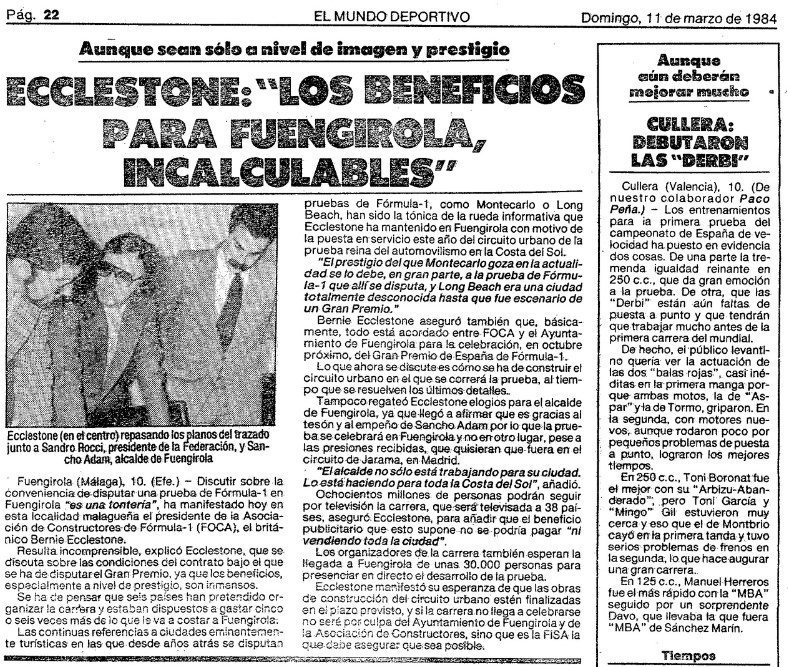
During the early stages of planning, the Fuengirola Formula 1 project received a significant boost from none other than Bernie Ecclestone, the former chief executive of the Formula One Group. Fuengirola’s then mayor, Sancho Adam, flew to the UK to negotiate with Ecclestone. When Sancho Adam returned to Spain, he had a confirmed date for the Fuengirola Grand Prix: 21 October 1984.
The proposed track
The proposed F1 track around Fuengirola was 4.4 kilometres long. The plan was simple. The track would start where the Fuengirola train station is now, then speed straight down Jesús Santos Rein, all the way to the Seat 600 roundabout in Los Boliches. From there, it would wind its way down to the Paseo Marítimo and hit a long straight to the port. There, the racers would turn right towards the main street, take two lefts back to the seafront, then make a final sharp right up Jacinto Benavente and Alfonso XIII to return to the starting line.
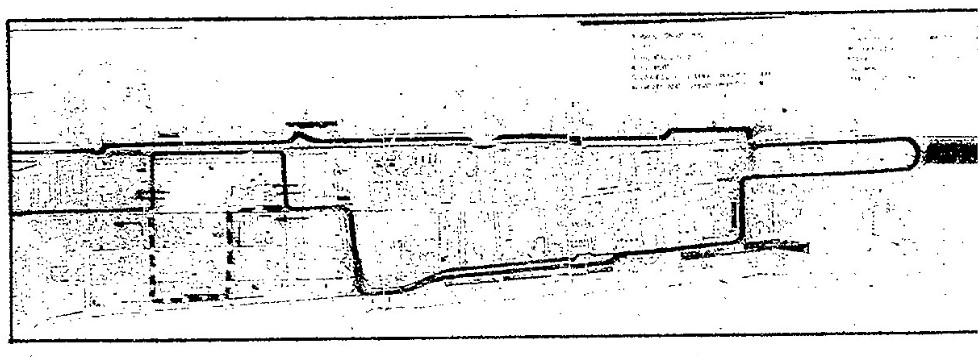
However, to address safety concerns, the track route had to be redrawn several times. Several newspapers and racing magazines of the time published articles about the plans, along with maps of the proposed track. You can see some of these press clippings and track maps on the fantastic Historia del Automóvil de Málaga blog.
Cruise the Fuengirola F1 track with my Google Map route!
My Google Maps route follows the Fuengirola Formula 1 track plan as closely as possible within the town’s modern one-way street system.
See along the way:
📷 Marenostrum Monument
📷 Los Caballos de Agua Fountain
📷 Pareja a la Grupa Statue
📷 Seat 600 Monument
📷 Athletics Statue & Roman Portico
📷 Peseta Monument
📷 Tourist Statue
📷 The T Pier & Heart of Fuengirola
I hope you enjoy exploring my hometown. Keep it cool though—remember it’s a slow scenic drive, not a qualifying lap!
The 1983 Showcase
According to Jot Down Sport, Ratcliff and Dee organised a racing showcase in Fuengirola in March 1983 to promote the coming F1 Grand Prix. Eight Formula 2 cars were brought to Fuengirola for the show and apparently, the participating drivers were stunned by how fast the Fuengirola track was. In fact, one of the vehicles broke its suspension after brushing too close to a kerb in one of the 90-degree turns, highlighting the daring and dangerous nature of the sport.
Confronted by reality
Despite all the excitement created by the 1983 Fuengirola Showcase, economic realities quickly dampened enthusiasm in 1984. Firstly, the race date offered by Bernie Ecclestone was in October, which was no good for Fuengirola’s tourism. Back then, the Costa del Sol was still very much a summer destination, with hardly any tourists visiting during the winter months.
Secondly, the town’s refurbishments alone, required for building a safe urban track and spectator stands, were quoted at more than 107 million pesetas. That’s around €650,000 (without accounting for 40 years of inflation).
The final nail in the coffin was the exorbitant F1 hosting fees and Bernie Ecclestone’s stringent demands for upfront payment. When push came to shove, neither the British promoters nor the local politicians could summon the investment and backing they’d hoped for. The project fell through and Ecclestone quickly replaced the Fuengirola race with the Portuguese Grand Prix in Estoril.
Legacy and reflections
Today, the Fuengirola Formula 1 venture is just a curious footnote on the town’s Wikipedia page. Personally, I’m sad that the Fuengirola Grand Prix never materialised. As a fan of both this town and Formula 1, it would have been a dream come true. Nonetheless, the tale stands as a testament to Fuengirola’s bold aspirations, recalling an exciting time when a major global sport could have transformed a small coastal town into a spectacle on the world stage.
Join me
Interested in the lesser-known side of Fuengirola? Explore my blog for more stories about Fuengirola’s history and Local Gems—and join me on Instagram.